
Building Alabama’s Workforce: How Schools and Industry Are Partnering for Success
Building Alabama’s Workforce Together
Alabama’s workforce is growing stronger every year, and it’s easy to see why. Across the state, schools and industry leaders are teaming up to prepare students for rewarding careers in skilled trades. From Birmingham to Mobile and North Alabama, this teamwork is helping young people gain real skills, earn credentials, and start meaningful careers.
For many high school students, graduation can feel uncertain. They want direction and purpose, not just another classroom lesson. That’s why programs that connect education and industry matter so much. By combining academics with hands-on experience, Alabama’s workforce is being built from the ground up, one skilled student at a time.
The Power of Industry Partnerships in Education
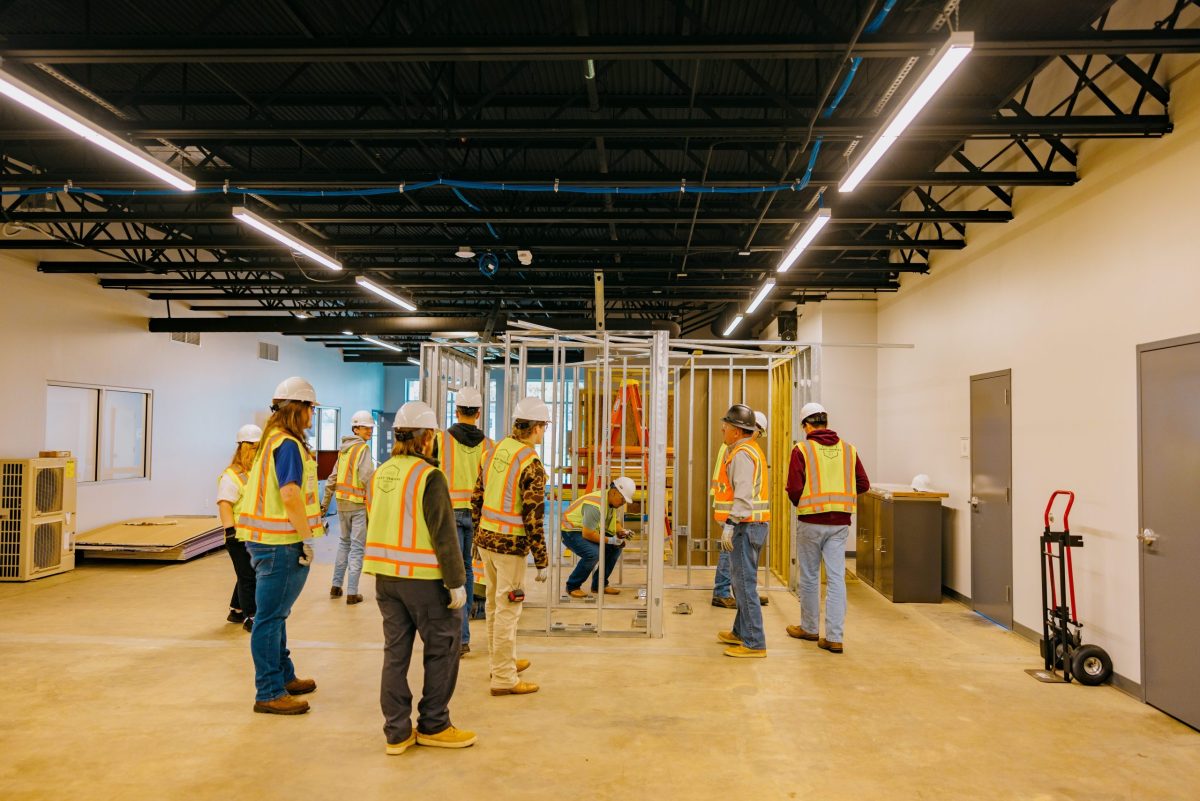
Strong industry partnerships in education are what keep this progress going. These partnerships connect students with real-world experiences that bring learning to life. Instead of only reading about the trades, students get to visit job sites, work with real materials, and learn directly from experienced professionals.
The Academy of Craft Training (ACT) makes this happen every day. ACT partners with dozens of construction companies across Alabama to design training that meets real workforce needs. Students don’t just study theory, they gain hands-on experience in five key pathways: Commercial Construction, Electrical Construction, HVACR Mechanical Systems, Metal Fabrication, and Interior & Exterior Finishes. Each pathway prepares students for a specific trade, giving them clear goals and confidence in their future.
When schools and employers collaborate, students see that a skilled trade career isn’t just an alternative, it’s a direct path to success.
How Workforce Development Programs Make a Difference
Effective workforce development programs help students turn potential into purpose. These programs combine technical skills with essential life skills like communication, teamwork, and accountability. The result is a well-rounded worker who’s ready for success both on and off the job.
ACT’s training model blends classroom learning with real job experience. Students spend part of their week in school and part of it on the job, working alongside industry mentors. In the Commercial Construction pathway, they learn everything from framing to project planning. In Electrical Construction, they develop the wiring and safety skills that power modern buildings. HVACR Mechanical Systems students master climate control technology, while those in Metal Fabrication and Interior & Exterior Finishes gain precision trade skills that make every project complete.
According to Build Your Future, skilled trades are in demand across the country. Programs like ACT give Alabama students a head start in careers that are always needed and always growing.
Pathways that Build Careers and Communities
Every ACT pathway is designed with Alabama’s workforce needs in mind. Commercial Construction students learn the foundation of the industry by mastering the skills that keep buildings strong and safe. Electrical Construction trainees keep projects powered and efficient, while HVACR Mechanical Systems students ensure comfort and climate control in homes and businesses.
The Metal Fabrication pathway trains students in the art of shaping, cutting, and welding materials used in everything from structural steelwork to custom components. Meanwhile, the Interior & Exterior Finishes pathway adds the detail and design that turn a building into a finished space. These trades may differ, but together they represent the backbone of Alabama’s construction industry.
Many ACT students graduate with certifications that allow them to start working immediately. Instead of taking on college debt, they begin building careers with competitive pay and long-term potential. Employers benefit too, gaining motivated, skilled team members who are ready to grow within their companies.
Public-Private Collaboration Builds a Strong Foundation
Public-private collaboration keeps Alabama’s workforce development strong and adaptable. Schools bring education and structure, while industry partners provide the tools, training, and opportunities that bring learning to life. When both sides work together, training stays current with industry standards and technology.
ACT is built on this collaboration. The program works closely with construction and trade employers across Alabama to ensure every pathway reflects the latest safety practices and technical advancements. This teamwork not only benefits students but also supports local companies that rely on skilled labor to stay competitive.
By joining forces, schools and businesses are showing students that success doesn’t have to mean leaving Alabama. Opportunity is right here, ready for those who want to learn, work, and grow.
Meeting the Skilled Labor Demand in Alabama
The skilled labor demand in Alabama continues to rise as new construction and infrastructure projects expand across the state. Employers are searching for reliable, well-trained workers who can fill critical roles in every trade. ACT helps meet that demand by preparing students who are confident, capable, and career-ready.
Through focused training in Commercial Construction, Electrical Construction, HVACR Mechanical Systems, Metal Fabrication, and Interior & Exterior Finishes, ACT graduates are entering Alabama’s workforce ready to contribute from day one. Each graduate represents a stronger community, a more stable economy, and a brighter future for the state.
By investing in education and hands-on training, Alabama’s workforce continues to grow more prepared, more professional, and more resilient.
Looking Ahead: Building the Future Together
Alabama’s future depends on its people, and programs like the Academy of Craft Training are helping shape that future every day. By connecting students, schools, and employers, ACT is helping create opportunities that last a lifetime.
Every student trained, every job filled, and every partnership built makes Alabama’s workforce stronger. The trades are more than careers, they’re communities built by skilled hands and determined hearts.